










Museo Nacional de las Culturas Ventana 3
Museo Nacional de las Culturas Ventana 3
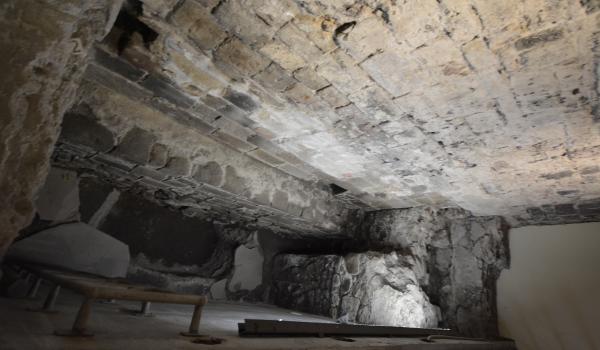
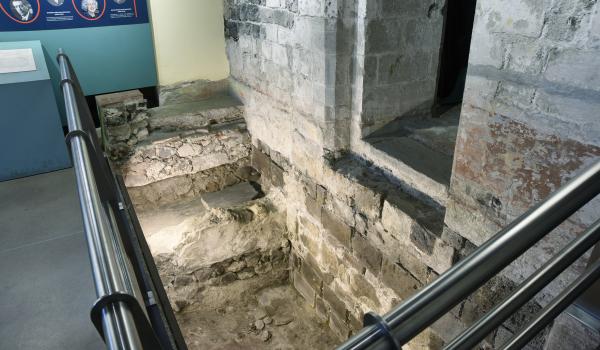
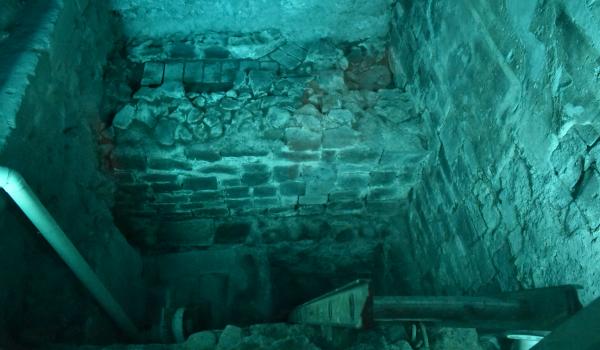
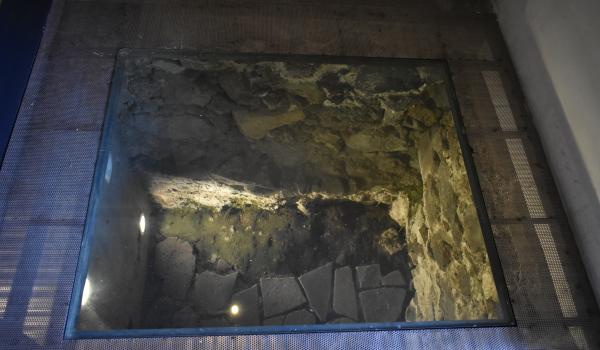
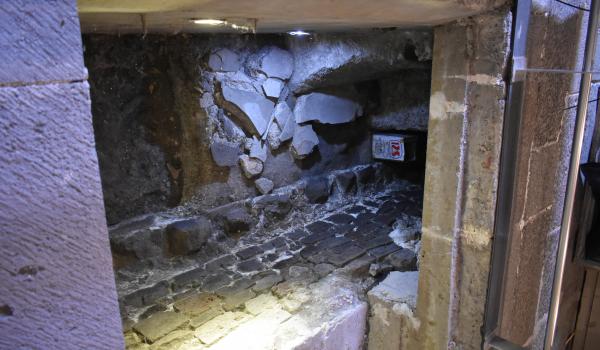
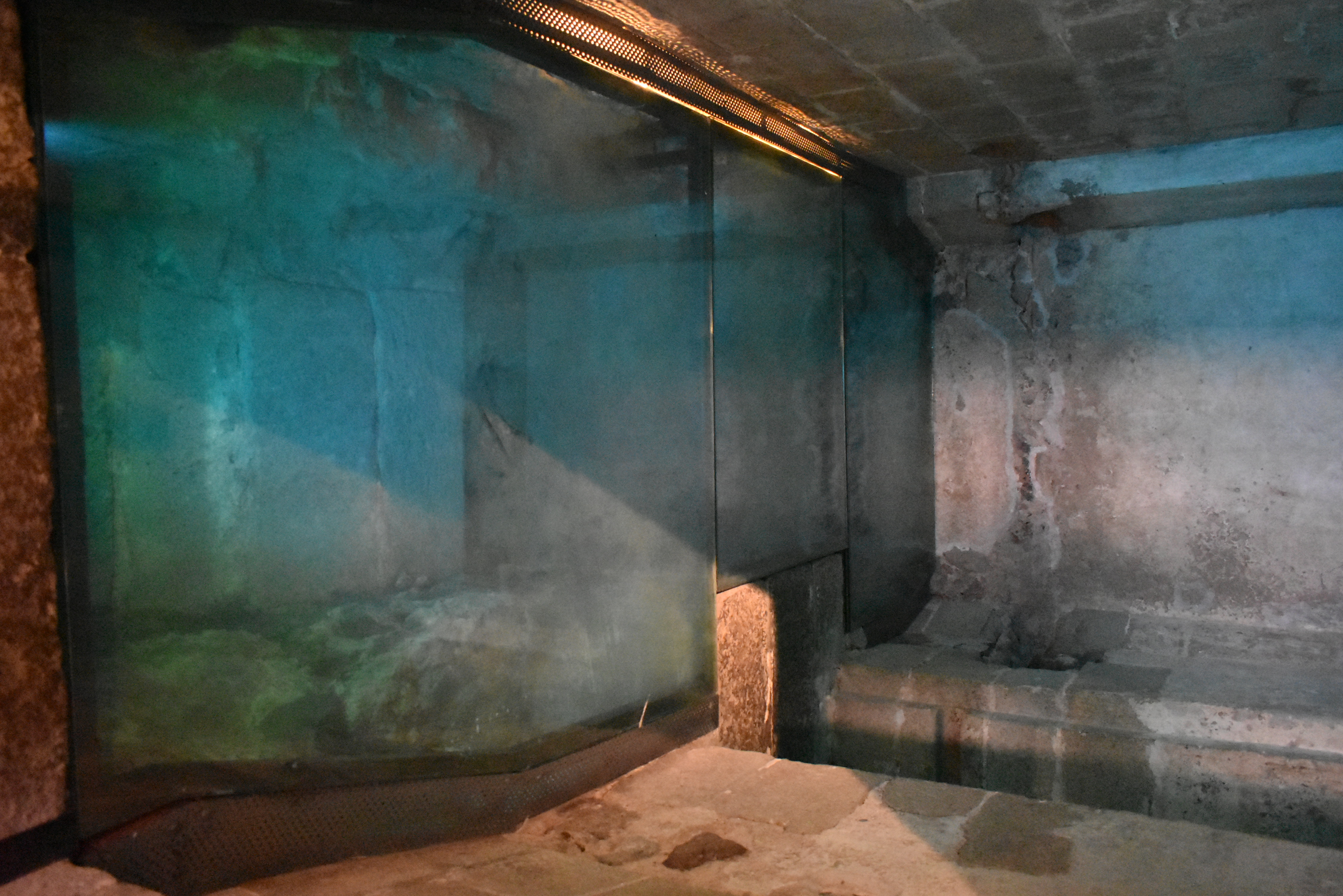
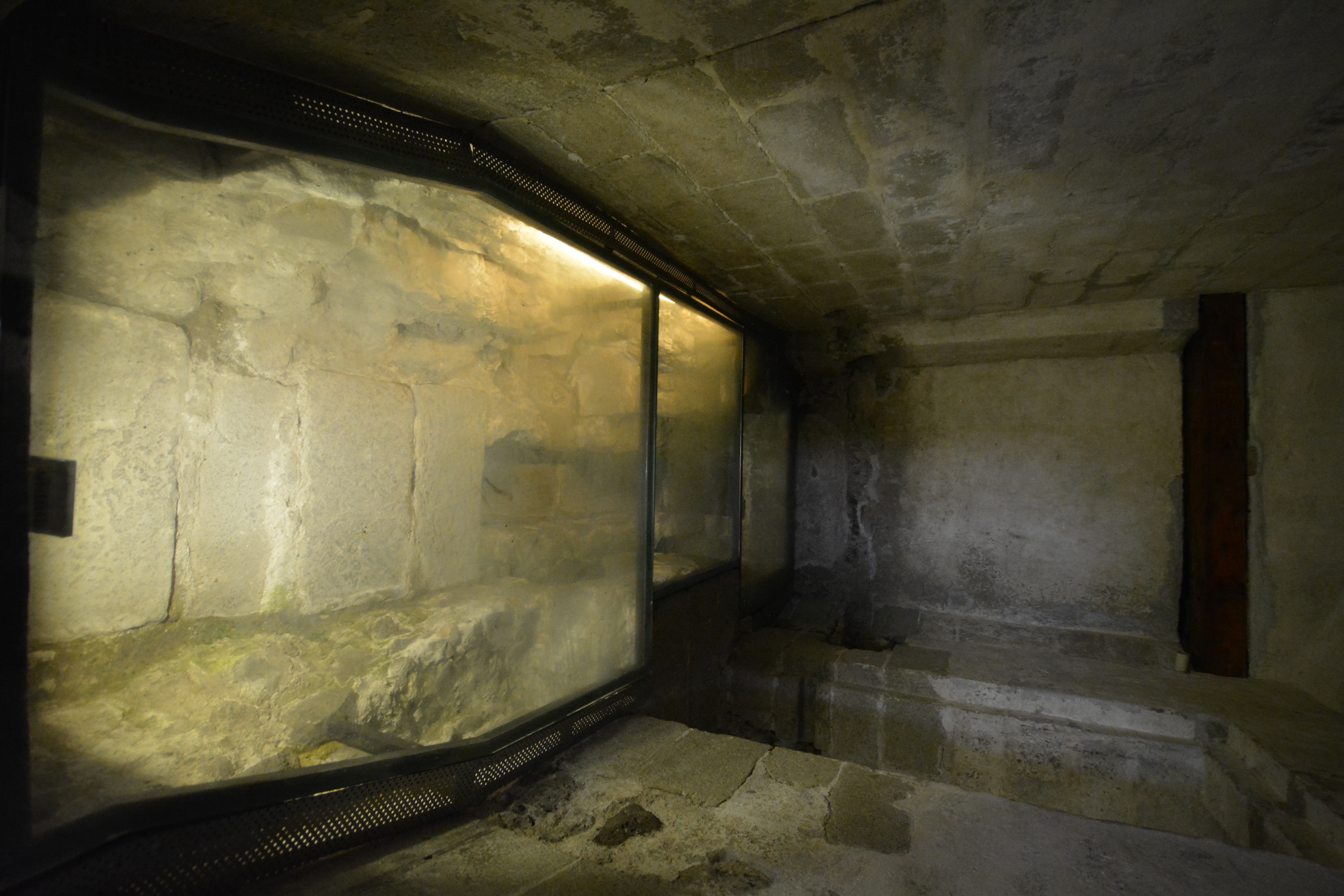
The rooms in this building have served different purposes over time, as evidenced by the remains visible in the archaeological windows. This one shows a drainage system and colonial walls.
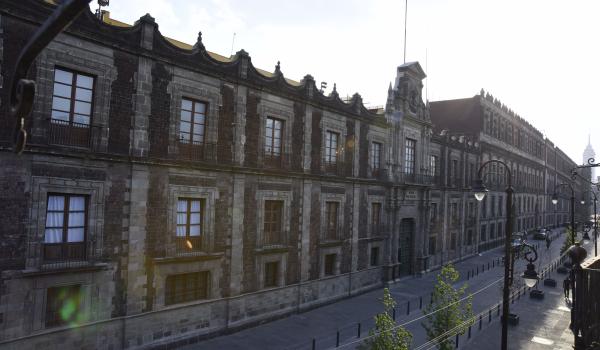
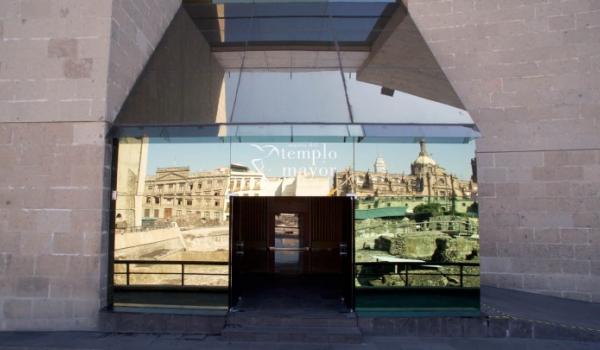
Next to the National Palace is the National Museum of World Cultures. It is believed that the building that houses it was the Tlillancalco, a place that Moctezuma Xocoyotzin used for meditation.
Between 1570 and 1572, Miguel Martínez built the Mint of New Spain; by 1731, the facilities were insufficient, so Nicolás Peinado and architects Pedro Arrieta and Miguel de Herrera drew up a proposal to structurally modify the building, which was approved and carried out in 1734.
Starting in 1850, the building underwent various uses: headquarters of a guard barracks for the supreme powers of the Ministry of Finance and the Supreme Court of Justice, warehouse for the University Library and Archives, it functioned as a post office and as the headquarters of the Department of Statistics, the Mexican Society of Geography and Statistics, the Ministry of Internal and External Relations, the Mexican Society of Natural History, the photography department of the Ministry of War, a fire station, and the National Printing Works.
It was not until 1866 that Maximilian of Habsburg established the Public Museum of Natural History, Archaeology, and History in this building and ordered the transfer of the historical and natural collection of the National Museum, which was located in the Royal and Pontifical University of Mexico.
In 1909, the National Museum of Archaeology, History, and Ethnography was created, where the Coatlique and the Sun Stone were exhibited. In 1942, it became the National School of Anthropology and, two years later, finally, the National Museum of World Cultures.
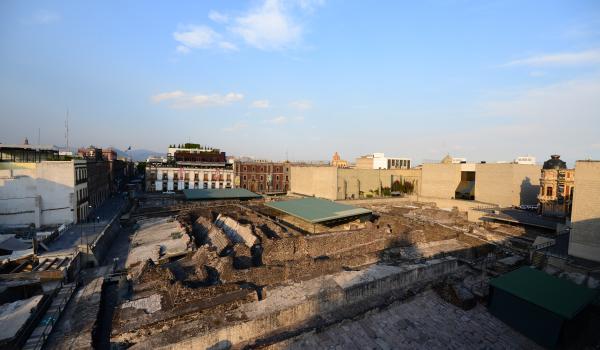
Thanks to architectural restoration between 2004 and 2011, Dr. Elsa Hernández Pons carried out an archaeological research project that resulted in the opening of seven archaeological windows.
The third window measures 2 m long by 1 m wide. Through a glass floor, the remains of a basalt stone drainage system can be seen, whose base and covers are made of pink andesite blocks. In addition, some other viceregal walls can be seen.
Source: Raúl Barrera Rodríguez, director of the Urban Archaeology Program